
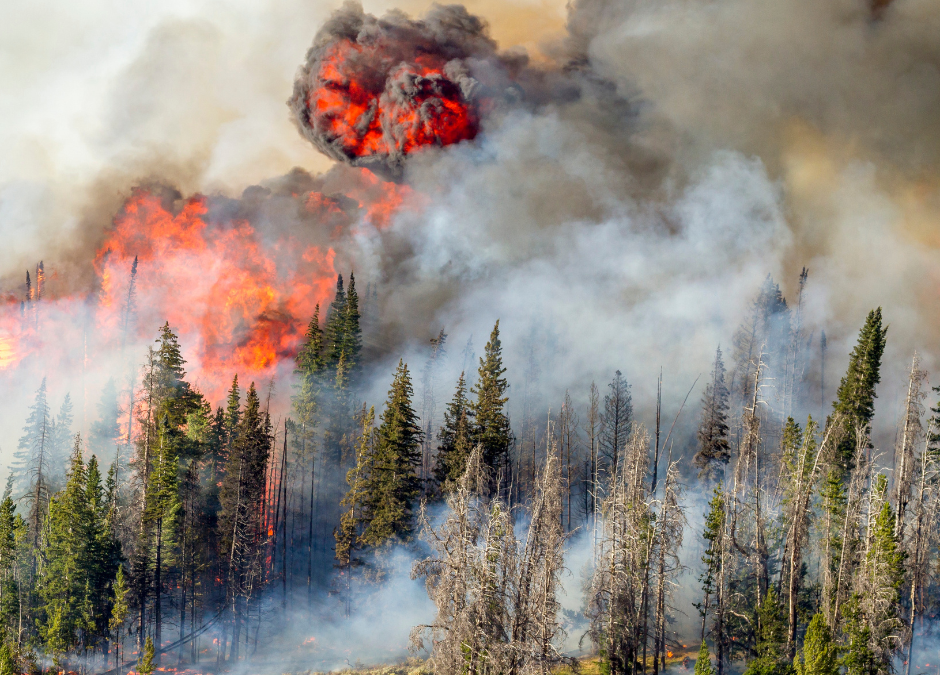
Summer in North Idaho is one of the best times of year. It’s the season for evenings on the porch, afternoons in the garden, and weekends at the lake. But in recent years, it’s also become the season for keeping an eye on wildfire smoke.
For most people, smoky skies are simply an inconvenience. For older adults, they can become a real health concern.
As air quality changes throughout the summer, knowing when to stay inside and how to reduce smoke exposure can make a big difference.
Why Smoke Affects Older Adults More
Wildfire smoke is made up of tiny particles that can travel deep into the lungs and even enter the bloodstream.
As we age, our lungs naturally become more sensitive to smoke and other air pollutants. Many seniors are also living with conditions like asthma, COPD, heart disease, or diabetes, making them even more vulnerable to poor air quality.
Even older adults who are generally healthy may notice they become tired more quickly or feel short of breath after spending time outside.
Know What to Watch For
If the smoke rolls in, pay attention to how you’re feeling.
Common symptoms include:
- Coughing
- Shortness of breath
- Wheezing
- Sore throat
- Burning or watery eyes
- Headaches
- Feeling unusually tired
- Chest discomfort
Don’t assume these symptoms are simply part of getting older. If they become severe or continue to worsen, it’s important to contact a healthcare provider.
Check the Air Before You Head Outside
One of the simplest ways to protect yourself is to check the air quality before making plans for the day.
The Air Quality Index (AQI) measures how clean or unhealthy the air is and can help you decide whether it’s a good day for gardening, walking, or running errands. When the AQI reaches unhealthy levels, it’s best to move outdoor activities to another day if possible.
Where to Check Air Quality
The easiest place to check current conditions is AirNow.gov, which provides local Air Quality Index (AQI) readings and wildfire smoke forecasts. Making it part of your morning routine during wildfire season can help you plan your day more safely.
Make Your Home a Safe Place to Be
Staying inside is most effective when the air inside your home stays clean, too.
During smoky conditions, try to:
- Keep windows and doors closed.
- Run your air conditioner on the recirculate setting if available.
- Use a portable HEPA air purifier if you have one.
- Avoid burning candles, using a fireplace, or anything else that creates smoke indoors.
- Vacuum with a HEPA-filter vacuum when possible.
You don’t have to make your home perfect. Even a few of these simple steps can help improve indoor air quality and make your home more comfortable on smoky days.
Stay Active While You’re Indoors
After several smoky days, it’s easy to feel restless.
Instead of your usual walk or time in the garden, try gentle stretching, chair exercises, or light strength training indoors. Reading, puzzles, crafts, or catching up with friends and family over the phone are also great ways to stay active and connected while waiting for the air to clear.
Spending several days indoors can be frustrating. Staying connected with family, friends, and hobbies can help make smoky days a little easier.
How Loved Ones Can Help
Wildfire season is a good reminder to check in on older family members, friends, and neighbors. Simple acts of kindness can make a big difference, especially when someone is spending more time indoors.
Offer to:
- Pick up groceries or prescriptions.
- Check the daily air quality forecast.
- Replace furnace or air purifier filters.
- Make sure medications are stocked.
- Spend some time visiting indoors.
Sometimes companionship is just as valuable as practical help, especially during stretches when it’s safest to stay inside.
When to Call a Healthcare Provider
Mild irritation from wildfire smoke is fairly common, but some symptoms shouldn’t be ignored.
Contact a healthcare provider if an older adult experiences:
- Trouble breathing that doesn’t improve with rest.
- Chest pain or pressure.
- Severe wheezing.
- Persistent dizziness.
- Confusion.
- Symptoms that continue getting worse.
If someone has severe difficulty breathing or you’re concerned they’re experiencing a medical emergency, call 911 immediately.
A Little Planning Can Go a Long Way
Wildfire smoke has become part of summer in North Idaho, but it doesn’t have to keep older adults from staying safe.
Checking the air quality, making a few simple adjustments at home, and staying connected with family and friends can go a long way toward helping older adults stay healthy throughout wildfire season.
If you have an older loved one, a quick phone call, a grocery run, or simply spending time together indoors can make smoky days a little easier.
When smoky days keep you indoors, you don’t have to handle everything on your own. ACCESS Care at Home is here to provide the extra support that helps older adults continue living safely and independently at home.